Text Set List
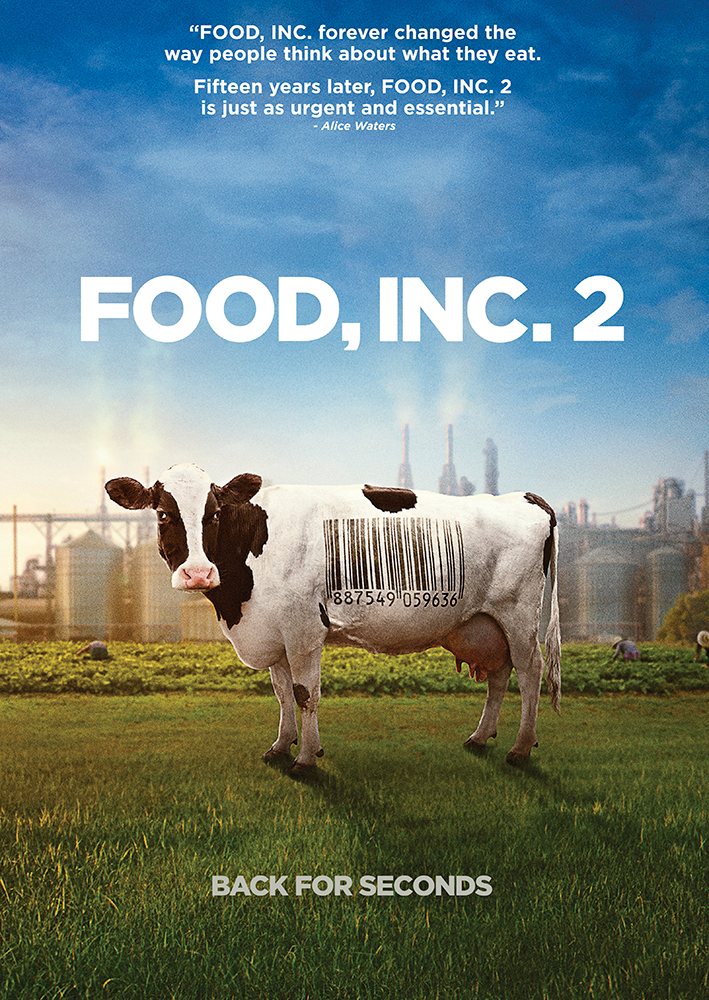
Kenner, R. (Director). (2008). Food, Inc. Magnolia Pictures.
Summary:
The industrial food system in the US is examined in this documentary. It looks at food
production firms, large-scale farming methods, and environmental effects. Food safety,
monoculture farming, and animal welfare are among the topics covered in the movie.
Interviews with experts and farmers offer a variety of viewpoints on agriculture.
Why:
This documentary offers a practical and visual look at the industrial agriculture system.
The effects of large-scale farming on the environment, ethics, and economy can be
examined by students. It facilitates conversations in the classroom on agricultural
innovation and sustainability. Students are better able to visualize supply chains and
modern farming operations because to the multimedia style.
Carson, R. (1962). Silent Spring. Houghton Mifflin.
Summary:
The effects of pesticides on ecosystems are examined in this seminal environmental work.
Carson provides proof that agricultural pesticides have negative effects on the
environment and wildlife. The contemporary environmental movement was sparked in part
by the book. It calls into question the impact of agricultural technology on sustainability.
Why:
This book offers historical background on agricultural sustainability and environmental
regulation. Students gain knowledge about how scientific research can impact agricultural
practices and policy. It promotes conversation on striking a balance between
environmental preservation and productivity. Students can better grasp the long-term
effects of agricultural improvements by reading this book.
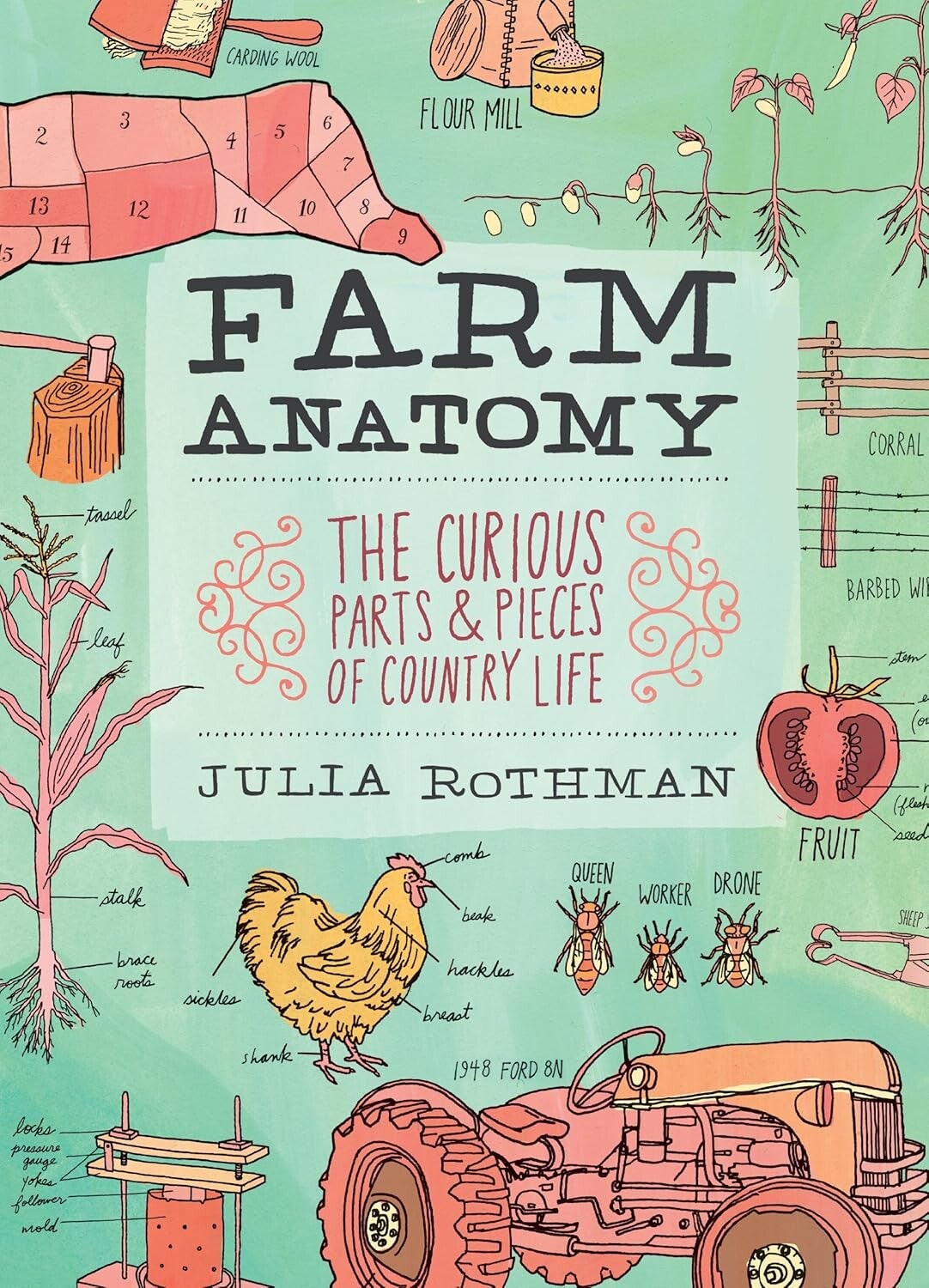
Rothman, J. (2011). Farm Anatomy: The Curious Parts and Pieces of Country Life. Storey
Publishing.
Summary:
The workings of farms are explained in this illustrated tutorial. Crop, livestock, soil, and
agricultural equipment information is all included. The book uses brief explanations and
graphics to break key farming fundamentals. The organization and procedures of
agriculture is explained to readers.
Why:
Students can better grasp agricultural systems with the aid of this text. Complex subjects
like crop cycles, soil composition, and farm management are made simpler by the
illustrations. It offers a useful introduction to agricultural terms and procedures and
assists visual learners.
Ohlson, K. (2014). The Soil Will Save Us. Rodale Books.
Summary:
The significance of soil health for climate change and sustainable agriculture is examined
in this book. Regenerative farming techniques are covered by the author. It describes how
soil can increase agricultural productivity and store carbon. Innovative farmers that
employ sustainable methods are highlighted in the text.
Why:
An important subject in agriculture education is soil health. Students are introduced to
contemporary sustainability techniques and regenerative agriculture in this text. It aids
students in comprehending the relationship between crop productivity, soil management,
and environmental preservation.
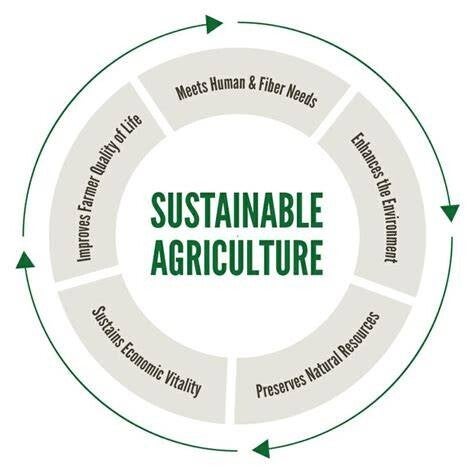
United States Department of Agriculture. (2024). Sustainable Agriculture Research and
Education (SARE). https://www.sare.org
Summary:
Resources for learning about sustainable agriculture are available on this website. It contains research findings, essays, and case studies from scientists and farmers. Crop rotation, soil health, and conservation techniques are among the topics covered.
Why:
Students can investigate actual agricultural research using this digital resource. It introduces pupils to reliable scientific sources that farmers and academics use. The
website can be used by students to do research and projects related to sustainable
agricultural methods.
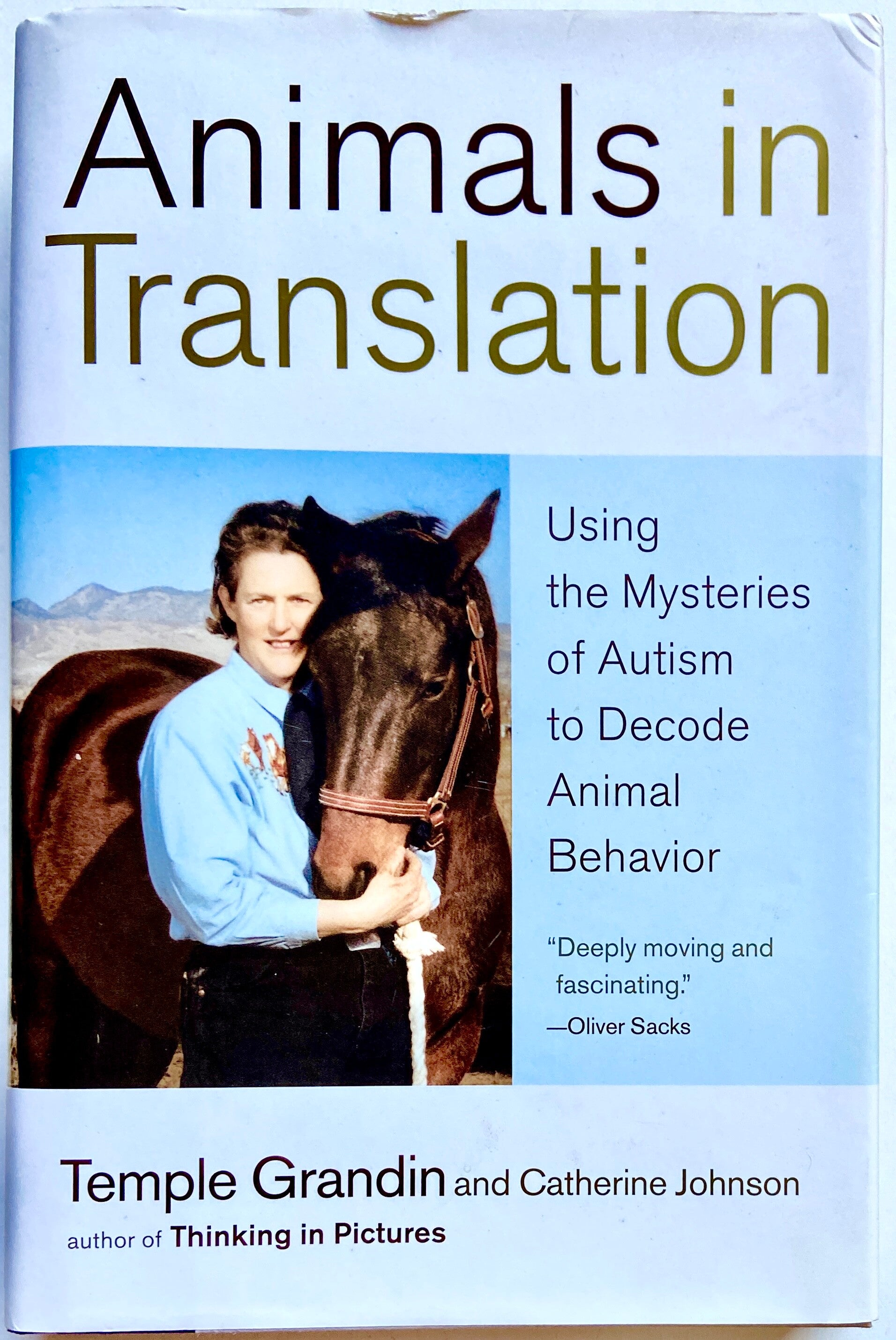
Grandin, T. (2005). Animals in Translation. Scribner.
Summary:
Temple Grandin describes how animals see the world and the significance of
comprehending behavior in cattle management. The book examines methods for handling
animals in a compassionate manner. It links agricultural methods with animal science.
Why:
An essential component of agricultural education is animal welfare. Students can better
grasp how farm management is impacted by animal behavior by reading this material. It
encourages moral conversations regarding contemporary agriculture.
Barber, D. (2014). The Third Plate. Penguin Press.
Summary:
This book explores the future of food and agriculture. The author discusses sustainable
farming methods and the importance of soil health and biodiversity.
Why:
Students explore how chefs, farmers, and scientists work together to improve food
systems. The text encourages students to think about the future of agriculture.
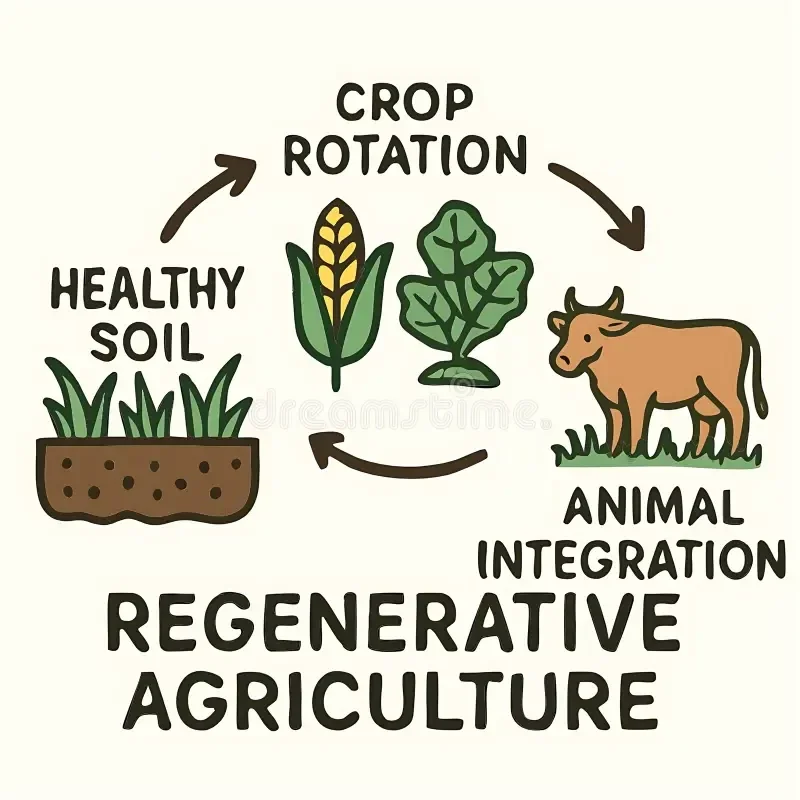
National Geographic. (2023). How regenerative agriculture is changing farming.
Summary:
This article explains regenerative agriculture practices used by farmers around the world. It
discusses soil restoration, biodiversity, and climate change.
Why:
Magazine articles allow students to explore current agricultural innovations. This text
connects classroom learning to real-world farming practices.
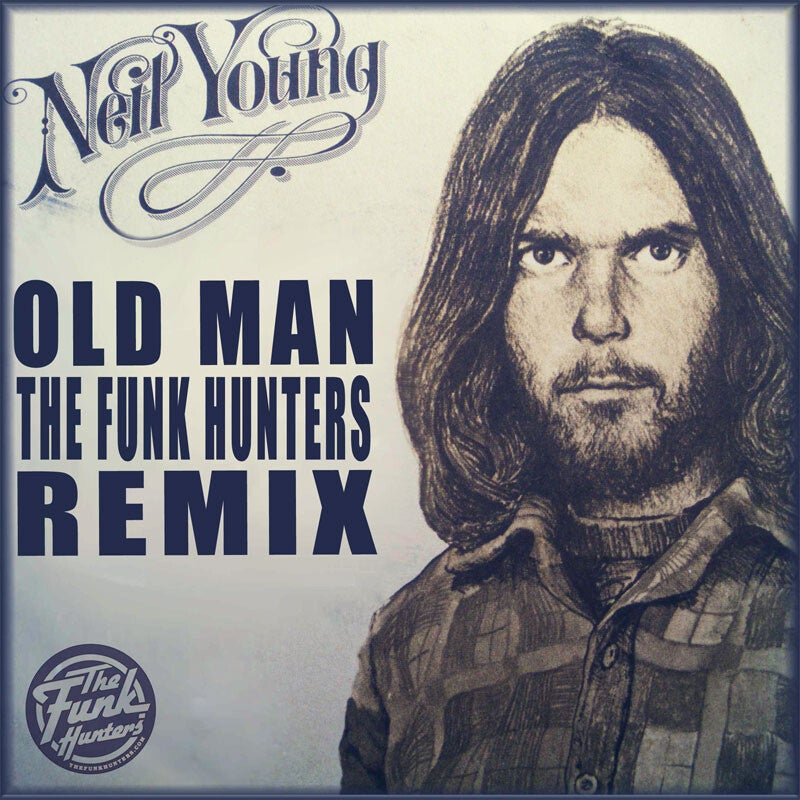
Young, N. (1985). Old Man. Reprise Records.
Summary:
This song reflects rural life and the connection between people and land.
Why:
Music can help students explore cultural perspectives on farming and rural communities.

Berry, W. (1977). The Peace of Wild Things.
Summary:
This poem reflects the peace found in nature and agricultural landscapes.
Why:
It allows students to explore emotional and cultural relationships with land and
agriculture.
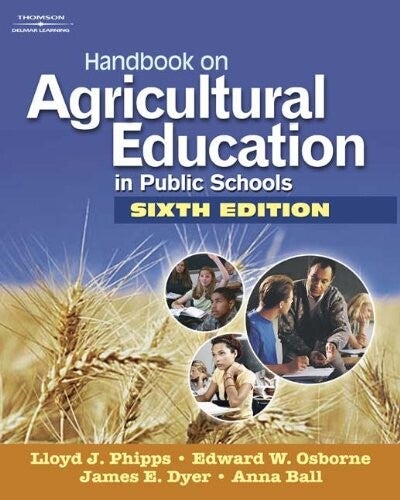
Phipps, L., Osborne, E., Dyer, J., & Ball, A. (2008). Handbook on Agricultural Education in
Public Schools. Delmar.
Summary:
This book explains agricultural education programs and modern farming systems.
Why:
It provides a professional reference for understanding agricultural education and teaching
practices.